A is For Alichorn
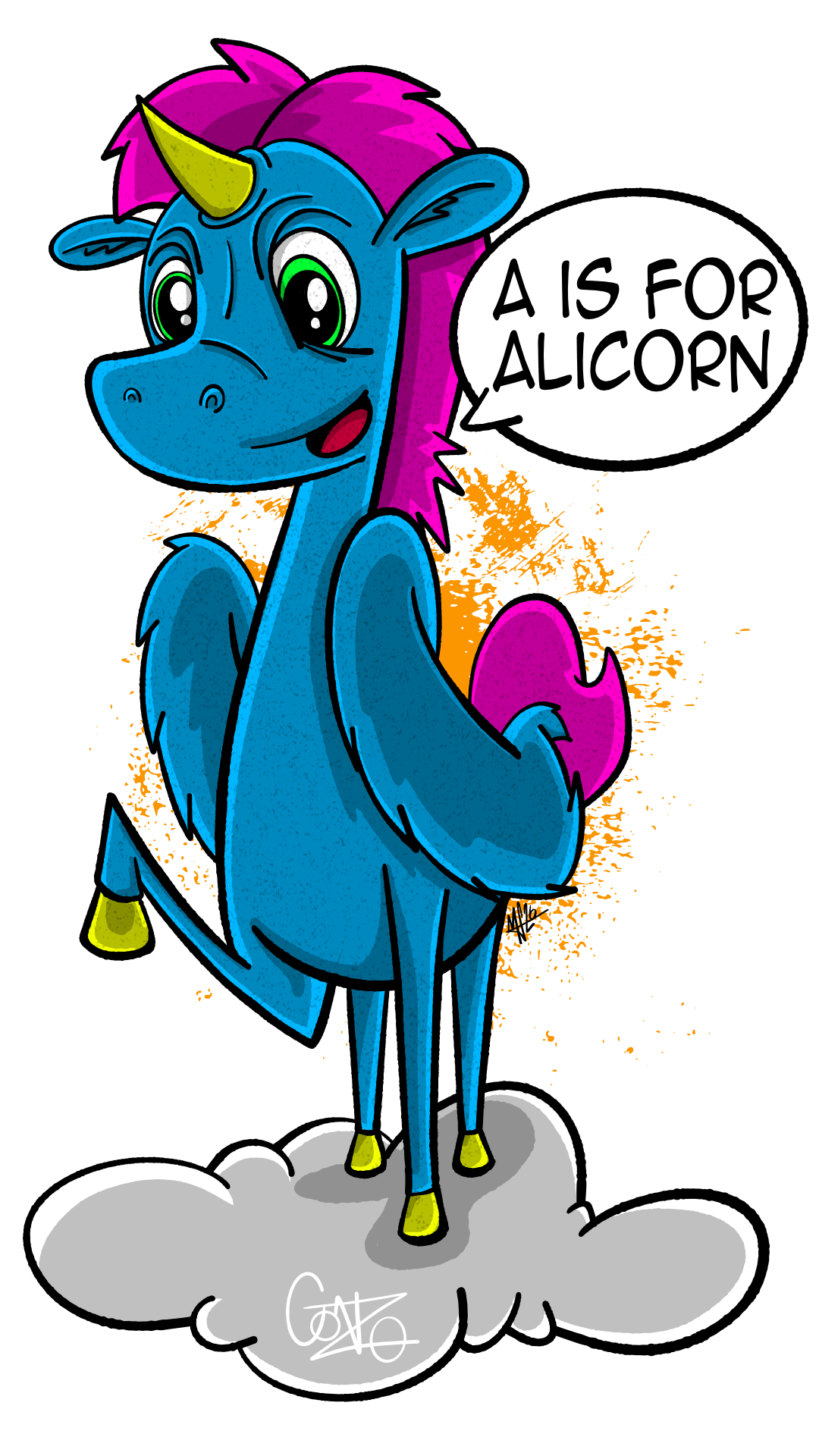
Origins & Mythological Mishaps
The Alicorn occupies a highly debated socio-political position in fantasy taxonomy, primarily because it is the ultimate anatomical compromise. For centuries, high-ranking elven scholars and tired dungeon masters argued intensely about what happens when a Unicorn (a horse with a very sharp forehead accessory) and a Pegasus (a horse that refused to stay on the ground) decide to share a stable.
Rather than picking a side, nature simply hit "copy-paste" on both sets of mythical features and slapped them onto a single equine chassis. The result is the Alicorn—a creature born out of the absolute refusal to compromise on magical accessories. Historically, they serve as the ultimate status symbol for high-fantasy heroes who find normal flying horses too plain and horned forest horses too slow.
Physical Traits & Quirks
The Horn
A spiraled, point-y beacon of pure magic. While legendary texts claim it can purify water and detect poisons, modern diaper-changing dungeon masters suspect it is mostly used as a highly efficient back-scratcher for hard-to-reach spots behind the wings.
The Wings
Feathery, majestic, and prone to shedding at the most inconvenient times. An Alicorn in a mid-season molt can single-handedly fill a toddler's nursery with enough fluff to build three new clouds.
The Hooves
Mystically silent. An Alicorn can land on a roof made of tin pots without making a single peep, which is highly irritating to the local stable-goblins but excellent for stealthy bedtime departures.
Tactical Advantage:
In standard tabletop terms, having both a horn attack and a flying speed makes the Alicorn a logistical nightmare for low-level goblin encounters. They simply fly out of range and look incredibly smug.